
by Daniela Pomasunco Huillca, MiFFT2026
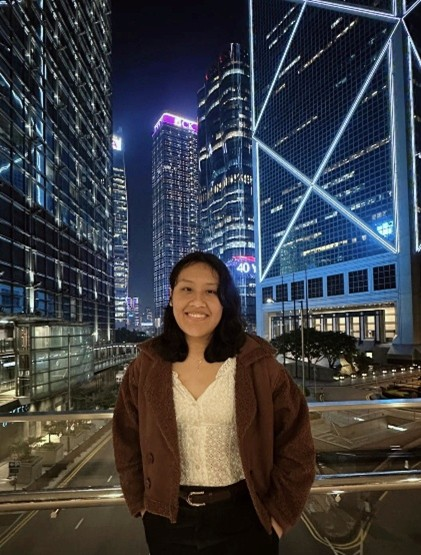
It was my first time in Asia. Hong Kong turned out to be the perfect introduction. After a long flight from London, I arrived a day early with a friend. We were very excited (and slightly jet-lagged) to start the week. We headed straight to Tsim Sha Tsui, strolling along the Avenue of Stars and gazing at the city skyline across Victoria Harbor. Surrounded by neon lights, local food spots and dense streets, it still didn’t feel real to me.
By the time our Global Experience officially began, I already had the sense that Hong Kong was not just another financial hub, but something more complex.
Asia’s Financial Hub – In Motion
Our theme for the week was “Asia’s Financial Hub,” but what caught my attention was that Hong Kong’s position is not static. It is constantly shaped by politics, by China, and by global markets. Throughout the sessions on wealth management, regulation, fintech, and venture capital, one idea emerged repeatedly: Hong Kong thrives because it sits between two worlds. It is both a gateway to China and a launchpad to the rest of the world.
Howdy, Ilke Yilmaz

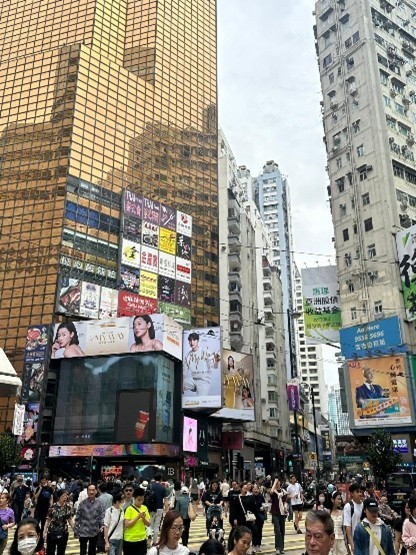
Wealth, Policy, and the Flow of Capital
One of our first sessions focused on family offices and gave me a new perspective on how wealth is evolving in Asia. In fact, it allowed me to learn about the scale and speed of wealth accumulation in mainland China. Many first-generation entrepreneurs who have amassed their fortune in past decades are thinking about succession: how to preserve and transfer wealth to the next generation. That shift is driving demand for more sophisticated financial structures, and Hong Kong is positioning itself right at the center of it all. What is interesting is just how deliberate this strategy is. The government is actively seeking to attract family offices through tax incentives, targeted programmes, and institutional support. Yet, beyond policy, trust is on the line. For many Chinese families, Hong Kong offers a familiar yet internationally connected environment in which to manage and diversify their wealth.
How the System Actually Works
As the week progressed, I began to better understand this “gateway” role. Our discussions with regulators made it clear that Hong Kong’s success is not a matter of chance, but the result of careful planning. The balance between protecting investors and maintaining global competitiveness is actively managed through regulation, market design, and cross-border collaboration. One of the most powerful insights I gained was the concept of “controlled openness.” Programmes such as Stock Connect, Bond Connect, and others allow capital to move between mainland China and global markets, but within a structured framework.
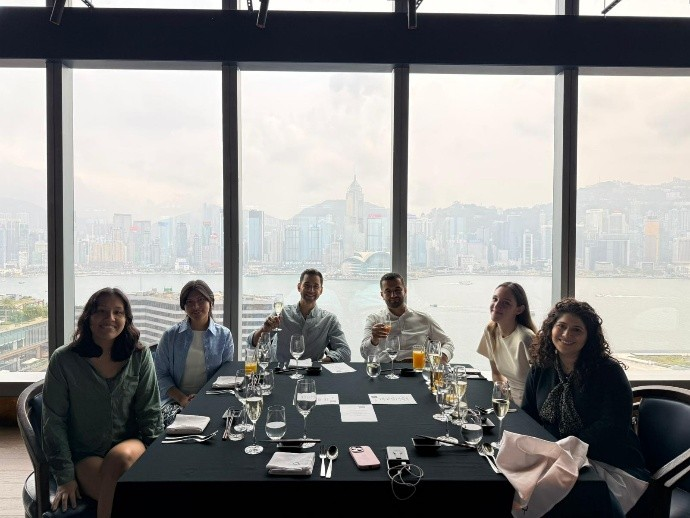
At first, I tended to view China’s capital controls primarily as a limitation. Nonetheless, during our visit to the Hong Kong Monetary Authority (HKMA), this view did a complete turnaround. The argument was simple, yet impressive. These restrictions not only limit flows, but they also create a need for Hong Kong. By channeling capital through a trusted intermediary, they reinforce the city’s role in the global financial system.
Innovation, AI, and What Comes Next
While the previous sessions were meant to explain the system, my visit to Bloomberg and REAP showed me where things are headed. At Bloomberg, I learned about the rapid development of artificial intelligence and its implications for investment strategies. At REAP, I saw a practical example of innovation in action: a payment tech company that facilitates cross-border transfers by combining traditional financial channels with digital assets, such as stablecoin-enabled cards and API-based infrastructure.
Rather than resisting change, Hong Kong seems determined to shape it.
Beyond the Classroom
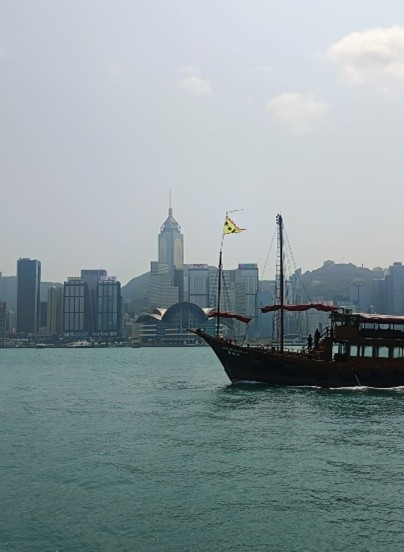
Of course, some of the most memorable moments didn’t happen in the meeting rooms. Taking the tram up to Victoria Peak with the group and gazing out over the city from above was a moment when everything clicked: theory and the real world. Then there was the food… I didn’t expect it to be such an important part of the experience, but it really was. Trying different dishes and exploring local spots and recommendations became another way to understand Hong Kong.
Final Reflections
If I had to summarise Hong Kong in one idea, it would be this:
Between China and the world.
Between control and openness.
Between tradition and innovation.
On a more personal note, this trip reminded me of why I decided to come to London Business School. Experiences like this, where learning beyond the classroom and expanding your global mindset becomes something you live through, are what make it truly special.