
By Selina Wang, MiFFT2026
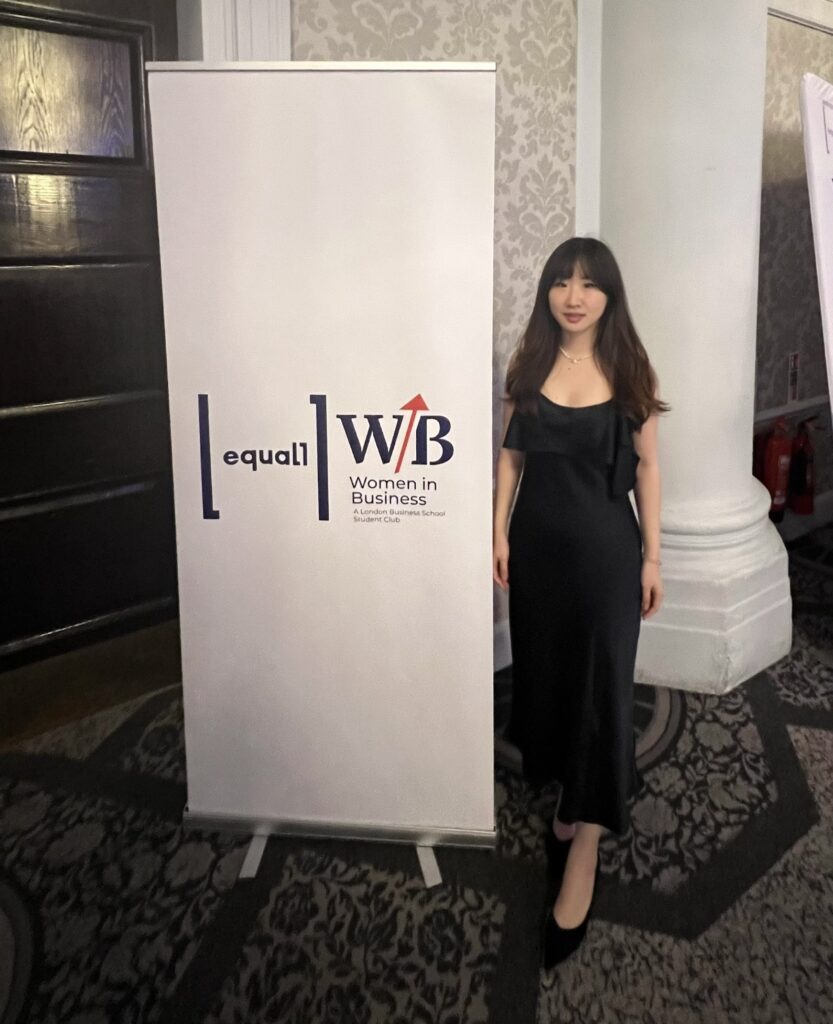
Before joining London Business School, attending the EQUALL conference was firmly on my bucket list. As the flagship annual event organised by the Women in Business Club (WiB), EQUALL brings together professionals, students, and allies dedicated to empowering women and driving lasting change in gender equity.
Not only did I attend the conference, but I also became part of the organising team. From behind the scenes, I witnessed first-hand the extraordinary effort that goes into EQUALL: countless meetings and WhatsApp exchanges covering everything from ticket pricing and speaker invitations to logistics and promotions. I was in awe of the energy and dedication of the WiB members in successfully delivering a multi-day event that welcomed over 400 attendees from more than 50 nationalities and 20 universities.
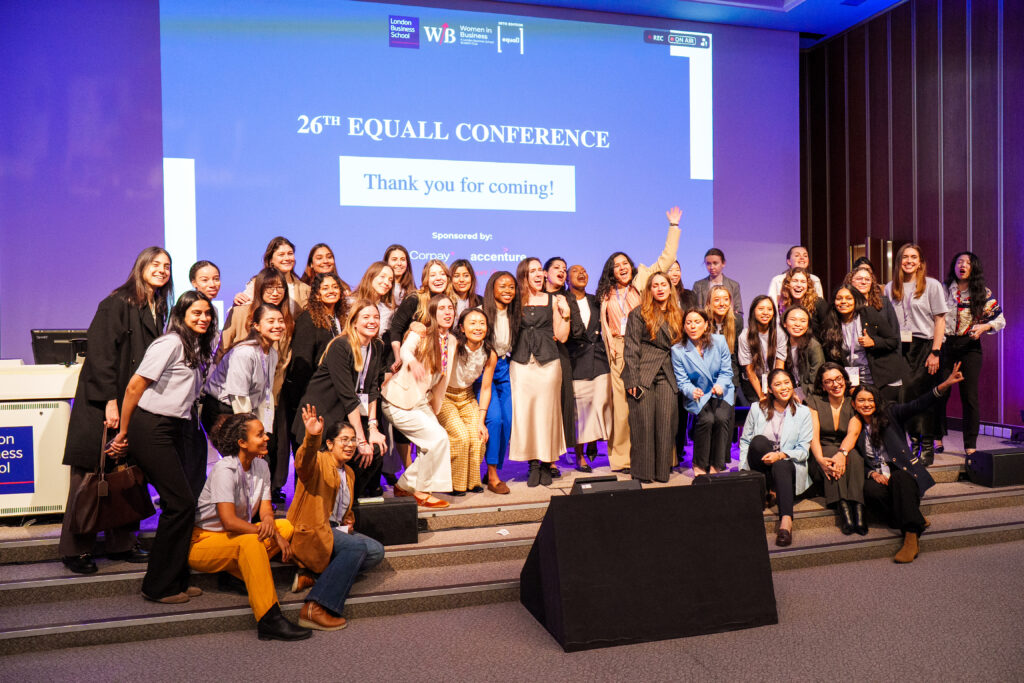
Under the theme Rewriting the Rules: Women Shaping Power in a Changing World, this year’s EQUALL opened with a kick-off evening featuring Mariska Bogaard-Rethans, CMO at Corpay, who left us with a powerful message: choose bravery over perfection. Perfectionism is often framed as a virtue, but it can equally serve as a form of self-protection: for if you never truly put yourself out there, you can never truly fail. Bravery, by contrast, requires accepting imperfection and discomfort: whether that means stepping into a role before you feel fully qualified, or speaking up in a room full of senior leaders.
The full-day conference on the second day far exceeded my expectations. I was struck by the breadth of EQUALL’s reach, as I had the opportunity to speak with students from other universities, prospective LBS students, and alumni alike. I found myself constantly noting down insights from keynote speakers and workshops. Below are some of the highlights that stood out to me:
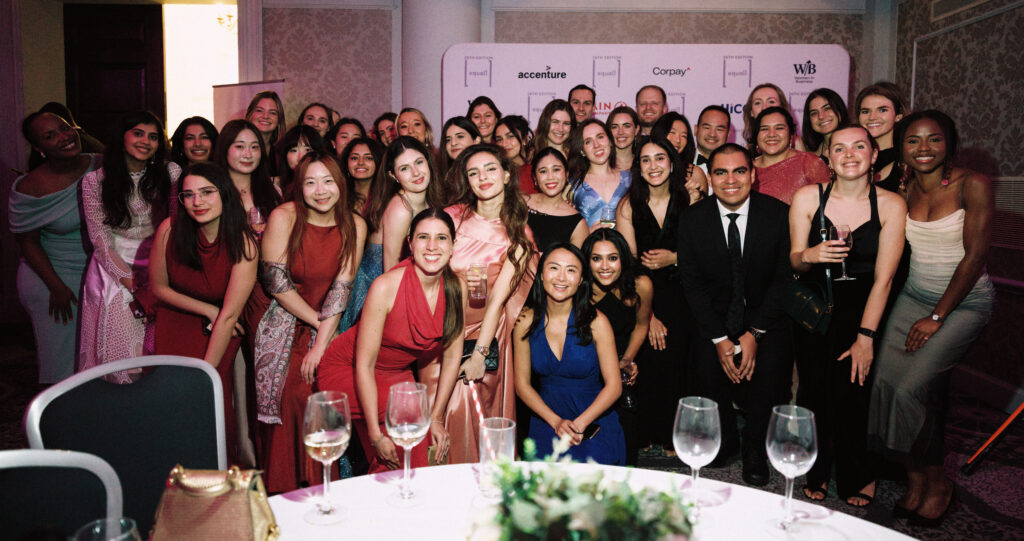
- Don’t wait for the perfect moment. Afua Kyei, CFO and Executive Director of the Bank of England, spoke about leading within high-complexity, high-demand organisations and shared her remarkable journey from Chemistry graduate to Chartered Accountant, to Investment Banker, and now to the heart of the Bank’s leadership. Her experience powerfully illustrates how a diverse background can be a genuine asset, bringing fresh perspectives to the table.
- A strong career and a high salary do not automatically translate into wealth. During her panel workshop, Ayesha Ofori, MBA2012, Founder and CEO of Propelle and former Investment Banker, shed light on the gender wealth gap, noting that women tend to invest less than men and retire with 30–40% less wealth. She argued that wealth is built through ownership, not simply through earning more. Ayesha also shared candid reflections on the importance of proactively negotiating salary and promotions. This resonated deeply with me: I had long believed that putting one’s head down, delivering excellent work, and outperforming peers would naturally open doors. Yet in practice, capital often flows through networks rather than pure merit alone. Finding allies is also essential; building relationships with senior leaders who can advocate for you in rooms where you are not present is not optional, but necessary.
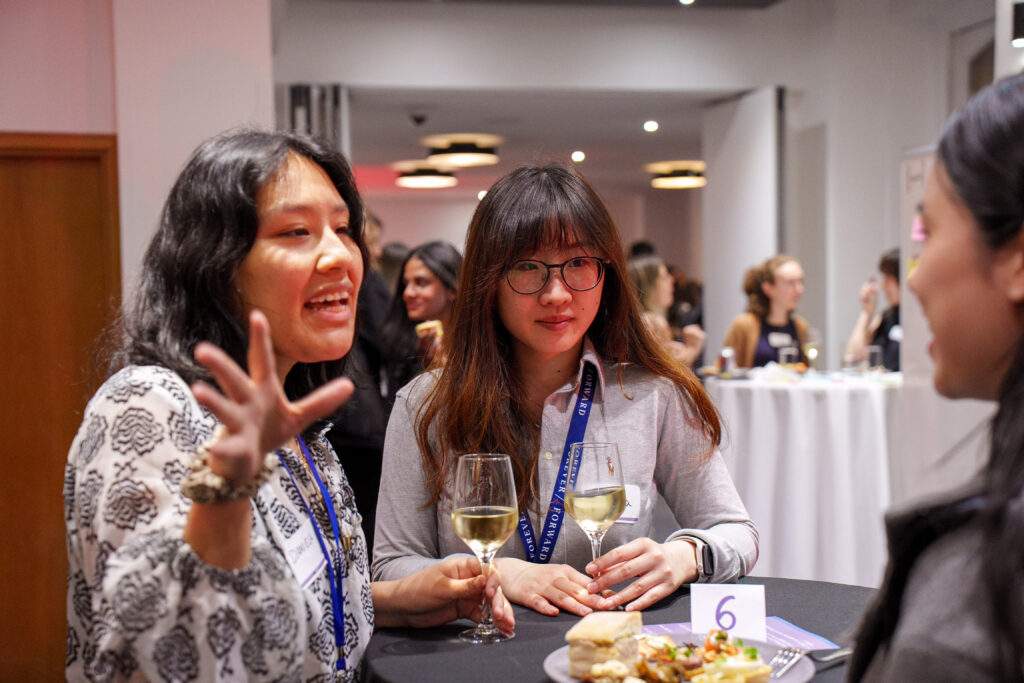
- Stop apologising and break the habit of self-diminishing language. In the panel session The Only Woman in the Room, senior female leaders discussed how to navigate interruptions by being crisp and direct, backing oneself with confidence, and being prepared to push back when necessary. Imposter syndrome is something I have experienced regularly, and I suspect many women can relate. However, one speaker offered a reframe that stayed with me: remind yourself why you are in the room and what you are there to do. If you have a seat at the table, you have earned your place and you are equal to others. There is also a broader shift in perspective to embrace: being an outlier is a strength, because you bring knowledge and experience that others simply do not have.
- Visibility is a double-edged sword. In the panel on Women Investing in Other Women, speakers explored the nuances of visibility in the workplace. While ensuring that one’s contributions are recognised is crucial, being the only woman, or one of very few, in a boardroom means that your every word carries additional weight. You are not judged solely as an individual, but as a representative of the minority you belong to. Consistency, a strong personal brand, and adaptability are all vital in navigating this reality. Media coverage of female CEOs, for instance, often focuses on personality and appearance rather than business results. The advice was clear: do not measure your inner worth by others’ external judgements. Demonstrate your integrity and let your results speak for themselves.
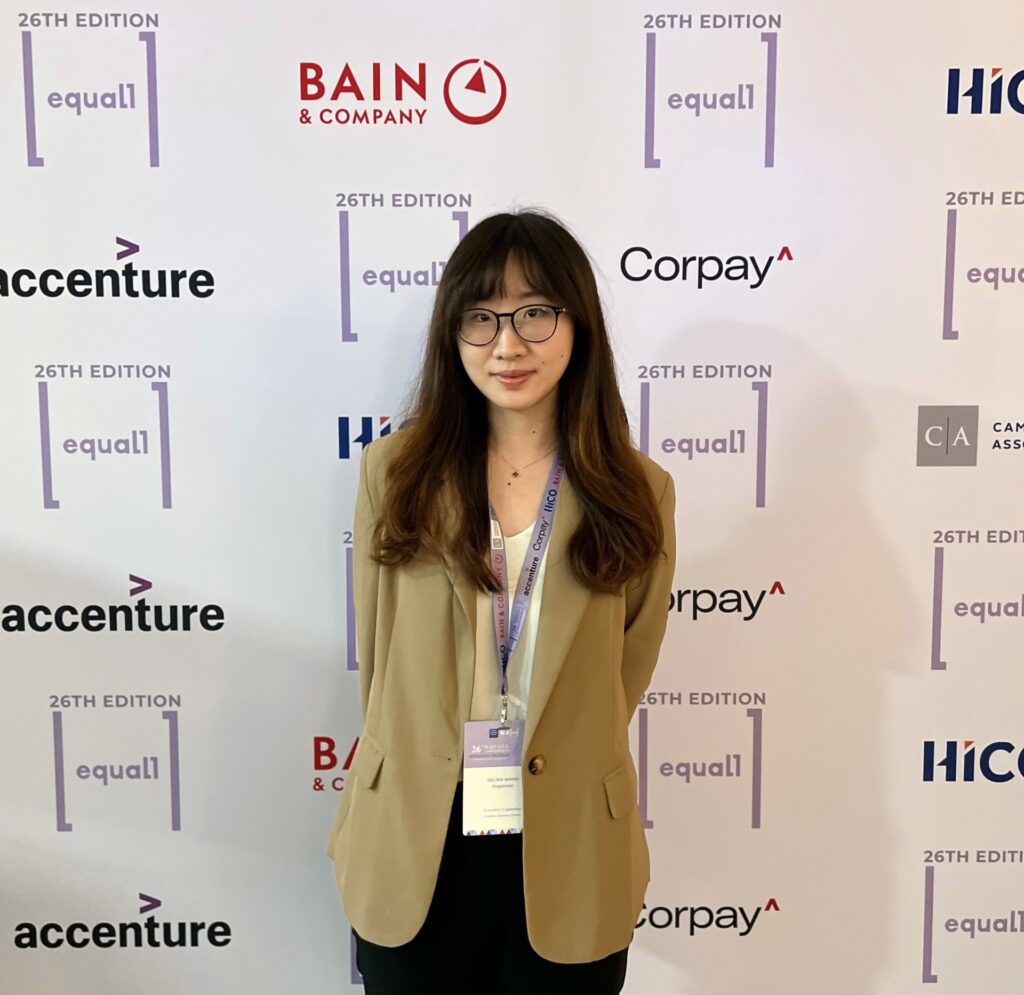
There were, of course, many more accomplished women leaders sharing remarkable stories and career wisdom; the richness of the conference will take some time to fully absorb. It was equally invaluable to connect with fellow attendees through thought-provoking conversations and to learn from one another’s experiences.
My final takeaway from EQUALL: the road ahead remains challenging in this highly uncertain world, and there are no shortcuts. However, platforms like EQUALL remind us that we are moving in the right direction. There is much to be optimistic about: research suggests women tend to be more effective negotiators, drawing on their ability to consider others’ perspectives, while female-led entrepreneurship is increasingly recognised as a form of alpha with lower volatility and greater capital efficiency. The generations of women who came before us laid the groundwork and opened the door; it is now our responsibility to keep it open.